
Insights
Changing lights. Designing lighting with glass doors and shielding systems
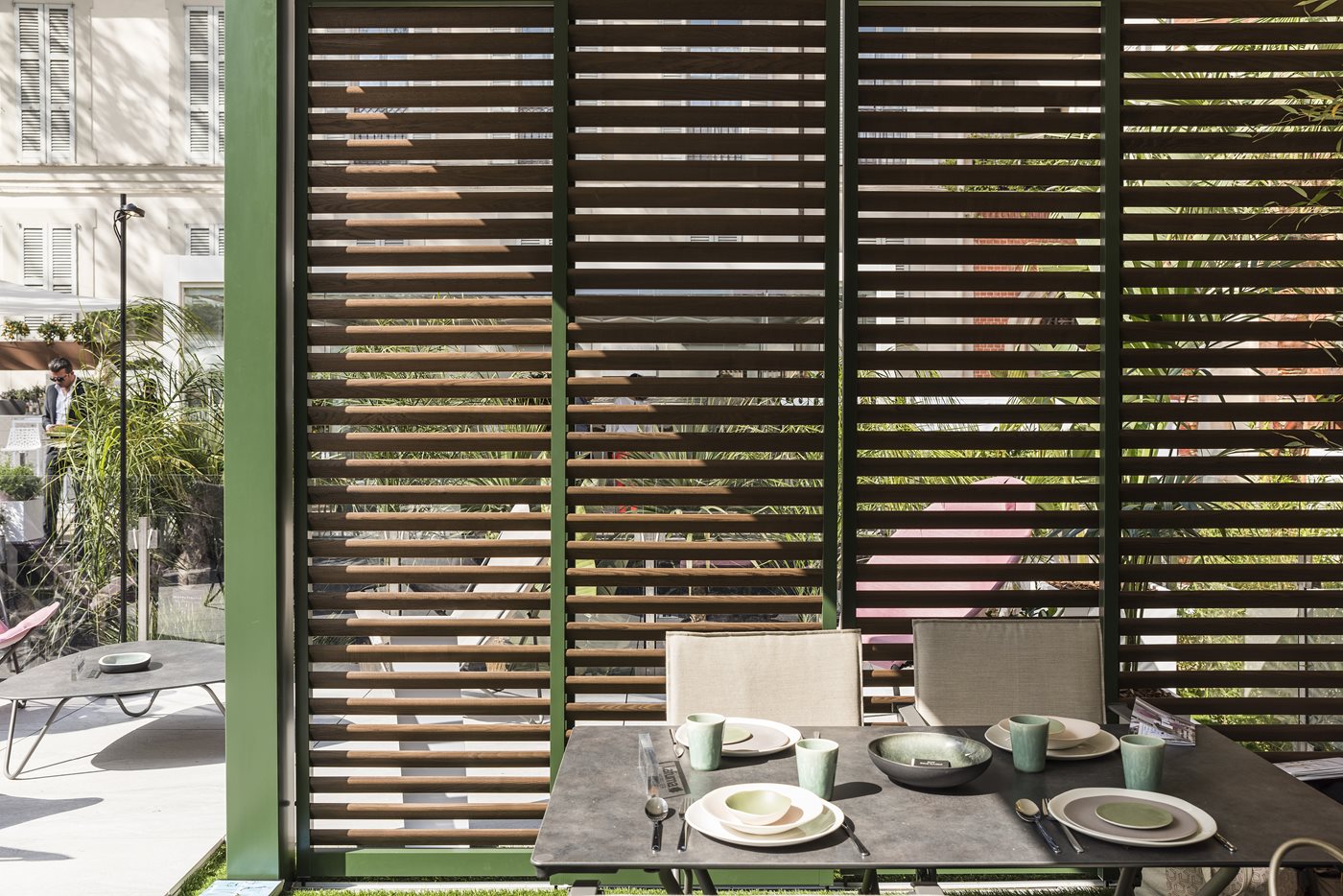
In contemporary outdoor spaces - terraces, gardens, residential patios - glass doors and shielding systems become tools for controlling light: architectural elements that filter, reflect, and guide natural illumination while preserving a seamless dialogue with the outdoors.
This article explores design strategies that harness light from morning to evening, balancing visual continuity, comfort, and control.
Designing with light
Designing with light means embracing its evolution throughout the day and creating a dynamic relationship between sun, shade, and surface.
In hybrid indoor - outdoor spaces, light defines perceived proportions, enhances materials and textures, and sets the rhythm of daily life - an architecture that evolves with the seasons.
Glass doors and shielding systems allow you to work not only on the quantity of light, but also on its quality (whether direct or diffused, reflected or filtered), all in harmony with how the space is used.
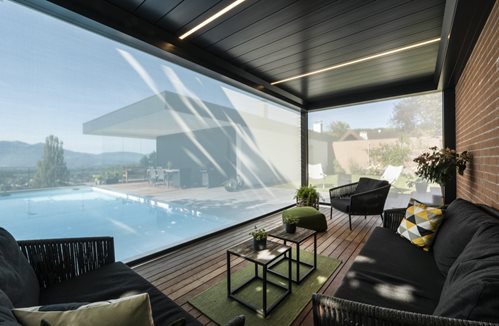
Sliding glass doors: visual continuity and glare control
Sliding glass doors are active surfaces that create an active relationship between indoor and outdoor spaces, preserving depth, brightness, and comfort.
From a lighting perspective, a well-designed glass door enhances the perception of space. Furthermore, it allows natural light to pass through without glare, thanks to slim profiles and precise alignment.
Attention to construction detail is key: continuous flooring, uninterrupted sightlines, and clean geometries turn light into a design feature that enhances the architectural story.
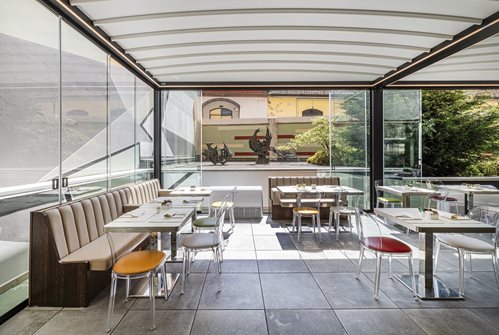
Shielding systems and blades: shaping light with precision
Modern shielding systems work by subtraction, modulating rather than blocking light entirely. It is therefore possible to select the desired light intensity and adjust the illumination according to weather conditions, ensuring a consistently comfortable environment.
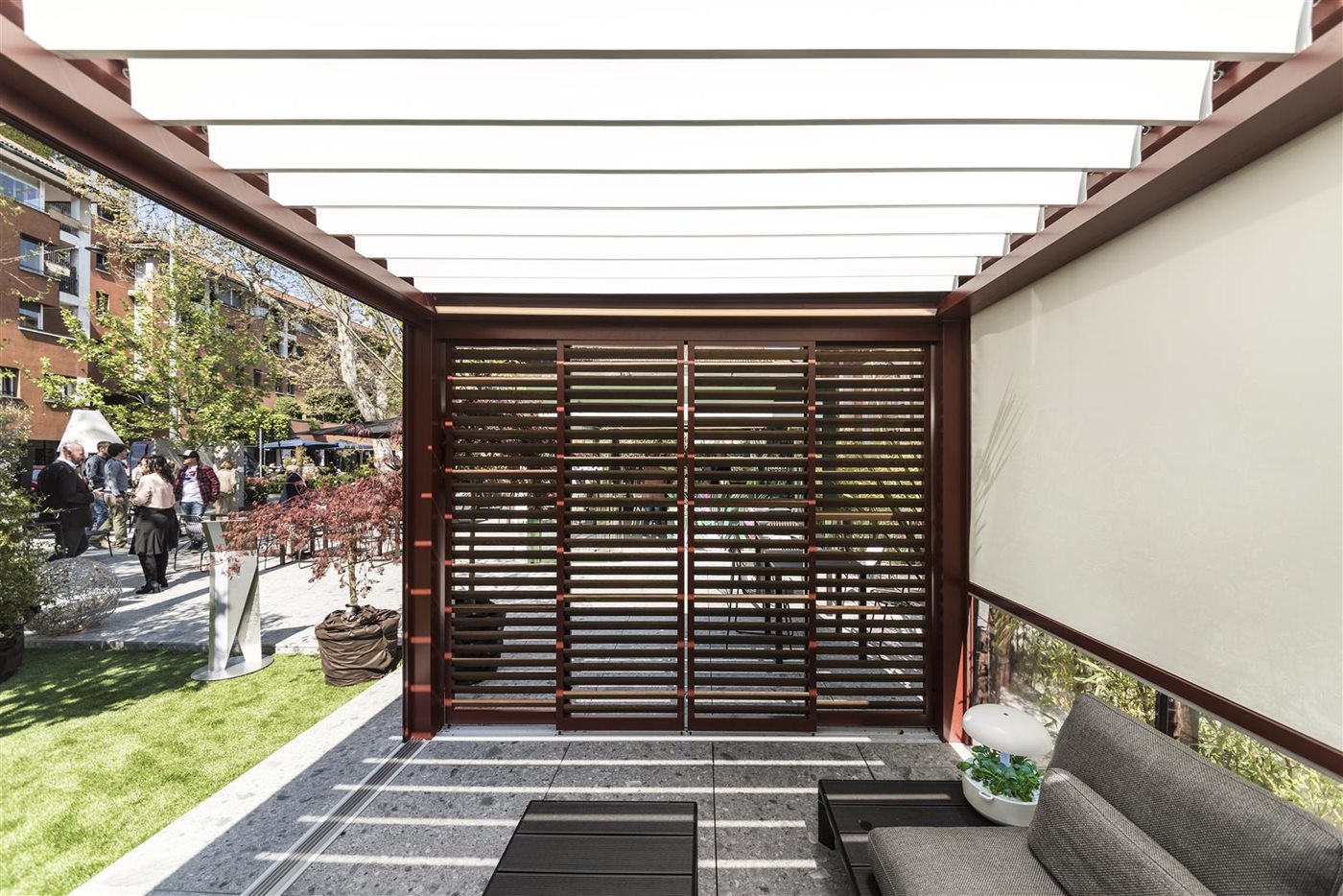
Adjustable blades, high-performance fabrics, and vertical elements filter direct sunlight, creating soft, shifting patterns of shadow that transform the space throughout the day.
Light passes through a shielding system, fragments, and changes direction.
This creates a comfortable environment where shade is part of the design, not merely a by-product.
.jpg?width=499&height=333 "_DSC2072-(Large).jpg")
Three design layouts for terraces and gardens
1. South-facing urban terrace
Full-height sliding glass doors paired with adjustable shielding systems.
The aim is to reduce direct solar gain during the middle of the day while maintaining brightness and an open view of the urban context.
2. Residential garden with east–west orientation
Glass doors ensure visual continuity in the morning, while more effective shielding systems protect against the low afternoon sun.
Light follows the rhythm of daily living - from breakfast to aperitif.
3. Hybrid outdoor space for extended use
A carefully balanced combination of glass doors and sun shade blades provides progressive light control.
The light becomes soft and diffused, naturally adapting to different moments of the day without the need to reconfigure the space.
Guidelines for designing your outdoor space.
- Analyse the space’s orientation and the sun’s path
- Consider glass doors as true architectural surfaces
- Use shielding systems to modulate light
- Enhance reflections and shadows by coordinating materials and colour palettes
- Think of light as an evolving experience - alive and ever-changing